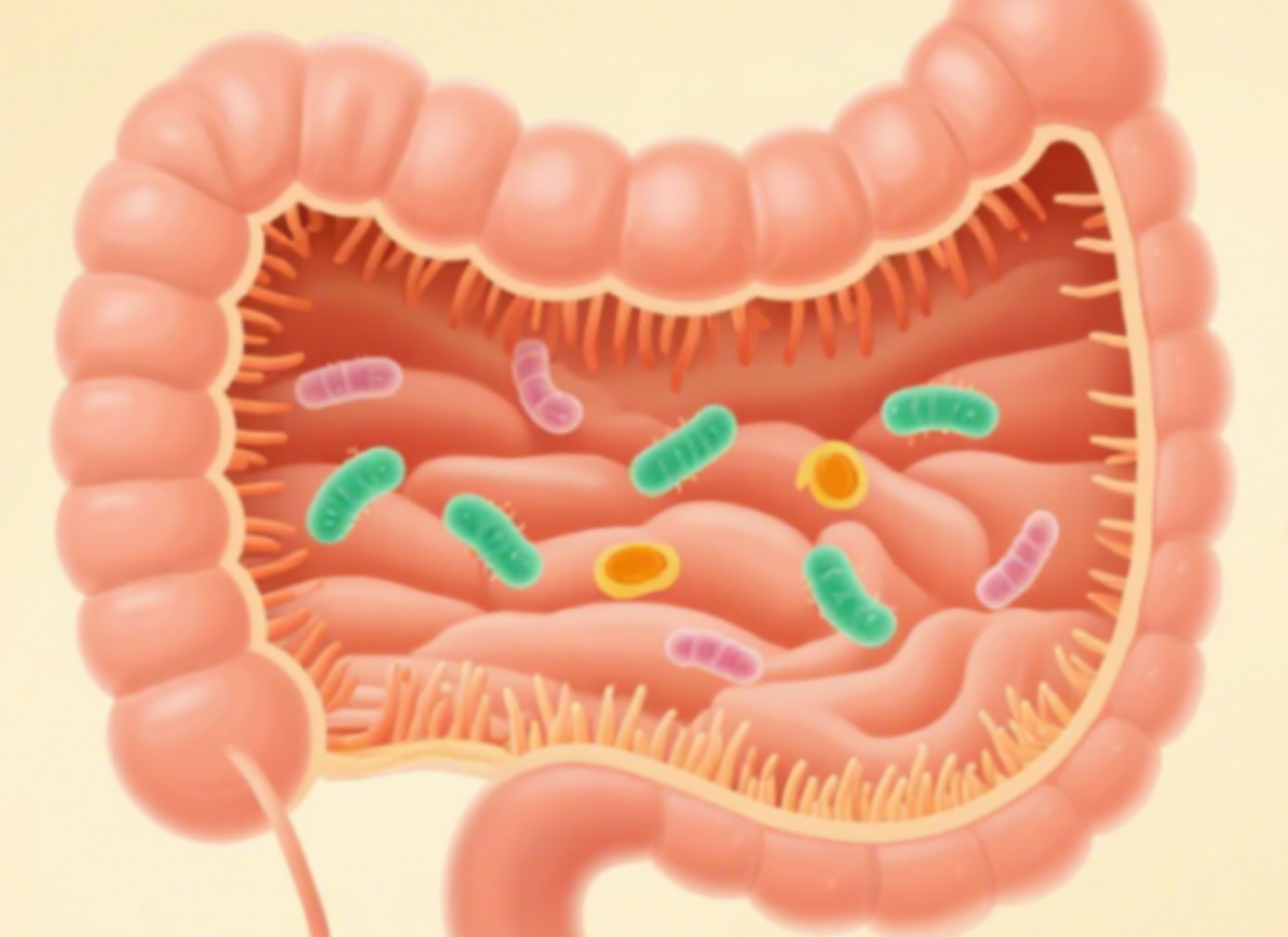
Have you ever experienced this: after eating at a street stall, you're left with vomiting, diarrhea, and a low-grade fever? Or perhaps, after being so stressed that you couldn't sleep, you first experienced flatulence, then a cold? This isn't a coincidence: the gut and immune system are symbiotic partners; problems with one inevitably affect the other.
Today, we'll uncover the secrets of the gut: Why do doctors often say, "Keep your gut healthy, and you'll be less likely to get sick"? Are the trillions of bacteria in the gut friends or foes? How are those diarrhea-causing pathogens effectively eliminated by the gut's immune system? This article is long, but it's packed with valuable information. Read on to learn more!
1.The Gut: The Body's Largest Immune Battlefield: A 200-square-meter Defense Line Protects Your Health
If the human body is like a castle, with the skin as the "exterior wall," the gut is the "golden passage" through it. From mouth to anus, the 7-meter-long intestinal lining is covered with 200 square meters of mucosa (equivalent to the area of a tennis court). This mucous membrane is exposed daily to foreign substances such as food, bacteria, and viruses, making it the immune system's busiest frontline. The intestines are a crucial immune hub because they face a complex enemy landscape:
● They process over 1,000 food components daily;
● They are home to 38 trillion bacteria (more than the total number of cells in the human body);
● They are constantly exposed to uninvited visitors like salmonella and norovirus. To cope with these challenges, the intestines have evolved a three-layered defense system, as tight as a bank vault:
First Layer: Mucus Layer—A Spiny "Jelly Shield"
The intestinal mucosa is covered in a layer of slimy mucus, enveloping the epithelial cells like a thick layer of jelly. This layer of mucus harbors hidden dangers:
■ It contains large quantities of IgA antibodies (the "immune patrol"), which act like glue to bacteria and viruses, allowing them to be expelled in the stool through intestinal peristalsis. This is why diarrhea is actually an "emergency cleaning" of the intestines.
■ It contains "micro-hidden weapons" called defensins (small proteins) that can pierce bacterial cell membranes like needles, instantly inactivating pathogens. The second layer: epithelial cells—even the gaps are "password-locked."
Beneath the mucus layer are densely packed epithelial cells, fitting tightly together like "city wall bricks." Special proteins "lock" the gaps, making it difficult for even viruses to penetrate. More importantly, these cells can also
"actively attack":
■ Upon detecting approaching bacteria, they secrete chemical signals to summon immune cells to encircle and annihilate them.
■ They can rapidly repair themselves after damage. For example, even a minor injury to the mucosa caused by spicy food can result in new cells growing within 48 hours. The Third Layer: The Lamina Propria—Heavily Guarded by Immune Cells
If the mucus layer is the "peripheral defense network" and the epithelial cells are the "iron wall," then the lamina propria beneath the intestinal mucosa is the "core barracks." This densely packed area of immune cells can be called the "intestinal immune system headquarters," with each cell type performing a distinct role, like a well-trained army:
Macrophages: Silent Scavengers These large cells, like plainclothes sentinels, silently patrol the lamina propria. Upon detecting any elusive bacteria or dead cells, they open their maws and devour them. Even more ingenious, they are very restrained—unlike the intense inflammation that macrophages trigger when the skin is injured, intestinal macrophages try to remain discreet to avoid overreactions that could lead to diarrhea or abdominal pain. For example, if a small number of bacteria break through the mucus layer after eating even slightly spoiled food, it is these macrophages that operate in the shadows, eliminating the threat before it even begins.
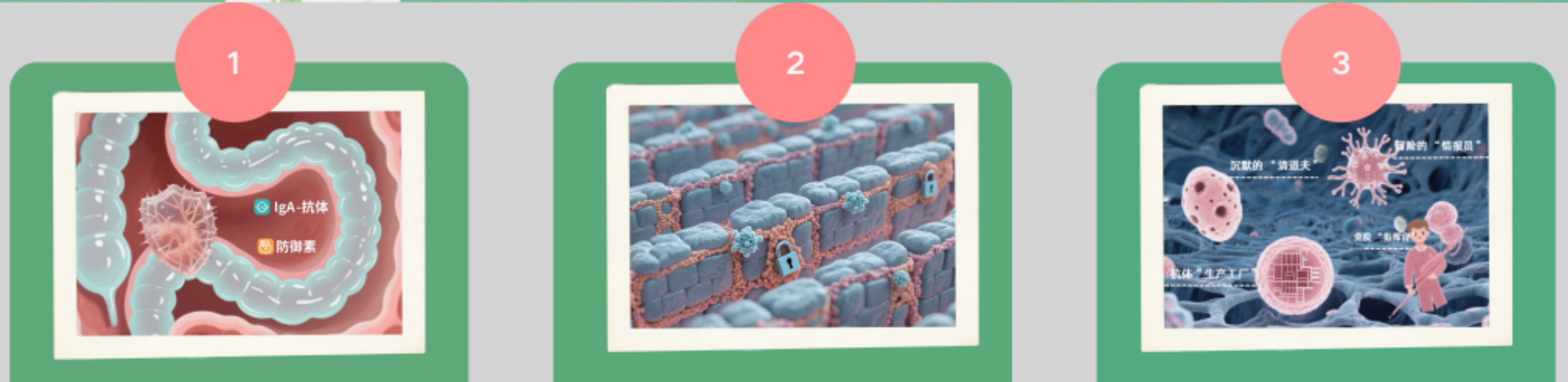
Dendritic cells: Adventurous intelligence agents. These cells, equipped with slender "tentacles," can penetrate the gaps between epithelial cells and directly "probe" intestinal contents—the equivalent of extending a "camera" into the intestines for reconnaissance. Upon detecting traces of pathogens (such as a specific protein from Salmonella), they immediately retract their tentacles, returning to the lamina propria with their "information," triggering a "level one" alert: summoning neutrophils for a "gang attack" and scurrying to the lymph nodes to activate a more robust adaptive immune system (such as B cells producing targeted antibodies). ?B cells: Antibody production factories. B cells in the lamina propria are specialized troops, specifically producing IgA antibodies. These antibodies penetrate the epithelium and establish a guard post in the mucus layer. Once they locate bacteria or viruses, they stick to them, like an arrest warrant for the invader. Ultimately, they are either ingested by macrophages or excreted in the feces. Studies have found that healthy individuals produce several grams of IgA daily in the intestine, enough to "tag" all intestinal bacteria.
T Cells: T cells in the lamina propria, the commanders of the immune system, are divided into two categories: "killer T cells," which specialize in eliminating virally infected epithelial cells; and "regulatory T cells," which serve as "peacemakers"—they secrete special signals to prevent immune cells from attacking friendly bacteria in the intestine, thus preventing a flood from destroying the Dragon King's Temple. If regulatory T cells malfunction, the immune system may mistake harmless substances like milk protein and pollen for enemies, triggering allergies or autoimmune diseases such as Crohn's disease.
II.Gut Microbiota: The "Extraneous Legion" of Immune System: A Battle of Attack and Defense Between Good and Bad Bacteria
The 38 trillion bacteria in the intestine are not "freeloaders" but rather "critical allies" of the immune system. These bacteria are divided into "friendly" and "troublemakers," and their balance directly determines the strength of immunity, creating a "Three Kingdoms" game in the intestines.
Friendly Bacteria: Good Neighbors That Help Your Immune System "Practice"
★ Friendly bacteria, represented by Lactobacillus and Bifidobacterium, are the "intestinal peacekeepers":
★ They occupy territory: They form a "biofilm" on the surface of the intestinal mucosa, preventing pathogenic bacteria from taking root—like a "Do Not Park" sign in the intestines.
★ They produce "immune nutrients": They break down dietary fiber to produce short-chain fatty acids, which nourish epithelial cells, strengthen the mucosal barrier, and stimulate regulatory T cell activity to prevent immune overreaction.
★ They train the immune system to "recognize friend from foe": Exposure to friendly bacteria from a young age gradually teaches immune cells to distinguish between their own kind and avoid reacting to harmless substances like milk and eggs. This is why children raised on farms (who are exposed to more environmental bacteria) are 50% less likely to have allergies than children in cities—their immune systems are better informed from a young age.
Troublemakers: The "Insidious" Infectors of Immune Disruption
Once friendly bacteria are destroyed (e.g., through overuse of antibiotics or staying up late eating spicy food), troublemakers like E. coli and Fusobacterium begin to wreak havoc: ☆ Damaging the gut barrier: They secrete toxins that dissolve the "connectors" of epithelial cells, creating holes in the gut, allowing pathogens and undigested food particles to enter the bloodstream and trigger systemic inflammation (such as chronic fatigue and acne); ☆ Misdirecting the immune system: They stimulate overactivation of the immune system, potentially leading to autoimmune diseases (such as rheumatoid arthritis and Hashimoto's thyroiditis) in the long term.
This is why doctors repeatedly emphasize the importance of "avoiding the overuse of antibiotics"—antibiotics are like "indiscriminate bombs," destroying even friendly bacteria, sending intestinal immunity regressing overnight. Studies have shown that a single course of antibiotics can reduce the diversity of intestinal flora by 30%, and recovery can take up to six months.
3.The "Two-Way Whisper" Between the Gut and the Immune System: It Controls Emotions and Immunity
The gut and immune system not only coexist but also continuously communicate through the "gut-brain axis." When one experiences problems, the other is immediately "sensed": ? When stressed, the gut goes on strike first. When anxious or staying up late, the brain secretes cortisol (the stress hormone), which directly inhibits the activity of intestinal immune cells—for example, making macrophages "lazy" and dendritic cells "delayed in reporting." This is why colds are common during exam week or after working overtime: the gut's immune system "malfunctions" first. ? A disordered gut can also lead to emotional distress. Gut bacteria produce serotonin (the "happy hormone") and gamma-aminobutyric acid (the "calming agent"), accounting for 90% and 50% of the body's total, respectively. If the microbiome is imbalanced, the secretion of these substances decreases, leading to anxiety and insomnia. Negative moods further suppress intestinal immunity, creating a vicious cycle of "bad mood → disturbed microbiome → weakened immunity → more anxiety." For example, diarrhea can cause irritability, which isn't just a physical discomfort but a direct result of a decrease in "happy hormones" caused by disturbed intestinal microbiome.
Intestinal "colds" trigger systemic immune system "alarms." When the intestinal mucosa is damaged (such as with norovirus infection), epithelial cells release "danger signals" (such as cytokines). These signals not only activate local intestinal immunity but also travel throughout the body through the bloodstream, accelerating the production of immune cells in the bone marrow, alerting the spleen, and even causing a fever. This is why intestinal infections are often accompanied by general fatigue and fever: the entire immune system is mobilized.
IV. Daily Tips for a Healthy Gut
To ensure your gut and immune system work together, start with small details in your daily life:
Feed the right foods to your microbiome: Dietary fiber, such as the cellulose in whole grains, legumes, and vegetables, is a favorite of friendly bacteria. The short-chain fatty acids produced by the microbiome after breakdown by bacteria directly strengthen the mucosal barrier. Eating 25-30 grams of dietary fiber daily may have a more significant effect than taking probiotics. Don't let your gut suffer: Limit ultra-processed foods (such as chips and fast food), as the trans fats and additives in them can kill friendly bacteria. Avoid overuse of antibiotics, and supplement with probiotics (such as lactic acid bacteria) when necessary. Don't rush your food; chew thoroughly to reduce the digestive burden on your intestines and minimize irritation to your mucosa. De-stress your intestines: Spend 10 minutes daily practicing abdominal breathing (inflating your belly when inhaling and tightening it when exhaling). This relaxes intestinal smooth muscle through the vagus nerve and improves bacterial balance. Stay away from your phone before bed, as blue light inhibits melatonin secretion, which protects the intestinal mucosa. People who sleep well tend to have stronger intestinal immunity.
V.Gut Immunity "Bonus Points": These ingredients are worth paying attention to.
Fisetin
Intestinal Effects: Clears senescent cells and reduces chronic inflammation: By activating apoptotic pathways (such as the caspase-dependent pathway), it selectively eliminates senescent cells in the intestine, reduces senescence markers (β-galactosidase, p53) and the senescence-associated secretory phenotype (SASP, such as IL-1α and MMPs), and reduces chronic intestinal inflammation.
Strengthens barrier function and inhibits inflammatory damage: Downregulates pro-inflammatory cytokines (Cxcl1, Mcp1, Ptgs2) and inflammation-related genes (Nfkb, Stat3), blocking the inflammatory cascade and alleviating intestinal mucosal damage (such as DSS-induced colonic injury); Targeted inhibition of inflammation- and aging-related genes by regulating miRNAs such as miR-149-5p and miR-34a-5p.
Balances the intestinal microbiota and optimizes metabolism: Increases the abundance of beneficial bacteria (such as Akkermansia muciniphila and Lachnospiraceae) and reduces pathogenic bacteria (such as Escherichia-Shigella); promotes bacterial metabolism of dietary fiber to produce short-chain fatty acids (SCFAs), nourishing intestinal epithelial cells and strengthening barrier integrity; and upregulates carbohydrate metabolism pathways to maintain intestinal energy homeostasis.
Immune Effects: Inhibits excessive inflammatory responses: Downregulates proinflammatory cytokines (IL-6, TNF-α, IL-1β), inhibits inflammatory signaling pathways such as NF-κB, and alleviates chronic inflammation (such as tissue damage in psoriasis and rheumatoid arthritis).
Regulates immune cell activity: Inhibits IL-17 secretion by overactivated CD4⁺ T cells, balancing the Th1/Th17 immune response; promotes macrophage polarization toward the anti-inflammatory M2 type, reducing the release of proinflammatory mediators; inhibits mast cell degranulation and the release of mediators such as histamine and IL-8, alleviating allergic reactions (such as chronic urticaria).
Protects immune tissues and synergizes the gut-immune axis: Improves gut microbiota balance (such as increasing Akkermansia muciniphila), reduces lipopolysaccharide (LPS)-mediated systemic inflammation, and supports intestinal immune homeostasis.
Urolithin A
Intestinal Effects:
Inhibits intestinal inflammation and protects the mucosa: By inhibiting the NF-κB and MAPK pathways, it downregulates cyclooxygenase-2 (COX-2) and microsomal prostaglandin E synthase-1 (mPGES-1), reducing inflammatory mediators such as progesterone (PGE₂), and alleviating chronic intestinal inflammation such as ulcerative colitis and Crohn's disease.
Regulates microbial balance and overcomes metabolic deficiencies: Relying on a highly diverse intestinal microbiota (such as a high proportion of Firmicutes/Bacteroidetes), direct supplementation can bypass bacterial metabolic limitations, ensuring consistent benefits for all individuals. It also increases beneficial bacteria (such as Akkermansia muciniphila), reduces pathogenic bacteria, promotes the production of short-chain fatty acids, and strengthens the intestinal barrier.
Enhances cellular function and connects the gut-brain axis: Activates mitophagy (clearing damaged mitochondria) to improve energy metabolism in intestinal epithelial cells; through exosomes (including miR-5100) and neurotrophic factors (BDNF) secreted by intestinal cells, it transmits signals to the central nervous system, maintaining systemic homeostasis.
Immune effects:
Inhibits inflammatory pathways and reduces excessive immunity: Inhibits pathways such as NF-κB, PI3K/Akt, and MAPK, reducing the release of proinflammatory cytokines (TNF-α, IL-6) and reactive oxygen species (ROS) by neutrophils and macrophages, alleviating chronic inflammation such as metabolic syndrome and neuroinflammation.
Regulates immune cell phenotype and function: Promotes macrophage polarization toward the anti-inflammatory M2 phenotype, reducing immunosuppression in the tumor microenvironment; induces the differentiation of CD8⁺T cells into memory stem cells (TSCM), enhancing their self-renewal and anti-tumor capabilities, and reducing T cell exhaustion (by reducing PD-1 expression).
The relationship between the small colon and the immune system is like that of roommates—interdependent, sharing prosperity and suffering. Protecting your intestines isn't just about avoiding diarrhea; it's about "recharging" your immune system. From today on, eat well, sleep well, and avoid losing your temper, and your intestines and immune system will reward you with good health.
References:
① Fighter Cells: A Miraculous Journey into the Human Immune System. [Germany] Philipp Detmer, translated by Li Chaoqun.
② Ashiqueali, Sarah A et al. Fisetin modulates the gut microbiota alongside biomarkers of senescence and inflammation in a DSS-induced murine model of colitis. GeroScience vol. 46,3 (2024): 3085-3